
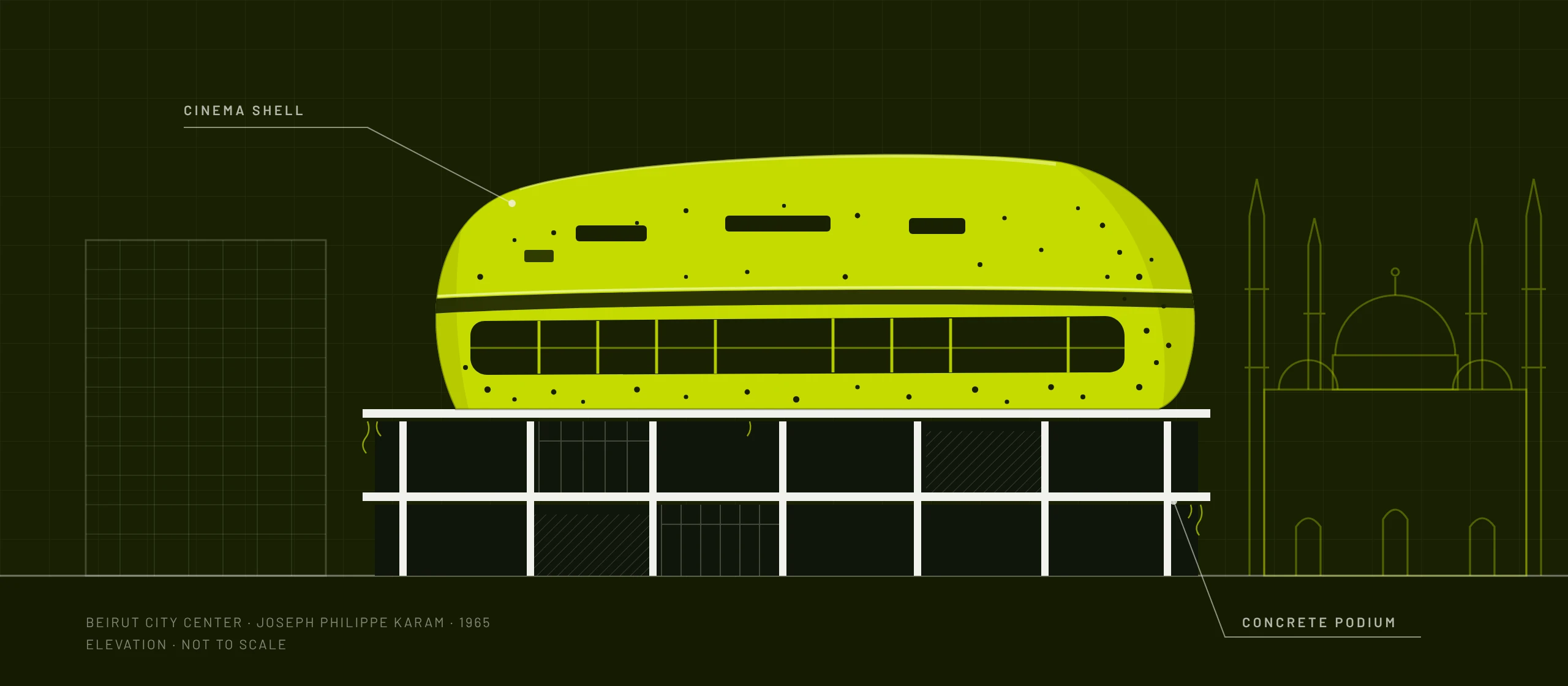
Beirut's most famous cinema was never finished.
You know it even if you have never been inside. It is a concrete shell beside Martyrs’ Square, shaped like an egg, a dome or, if you ask an older Beiruti, a bar of soap: Sabouneh. It has been a ruin for most of its life. Every few years the same question comes back: what should Beirut do with it?
A cinema on a podium
In 1965, the Lebanese architect Joseph Philippe Karam (1923–1976) designed Beirut City Center, a mixed-use complex in the heart of downtown.1, 2 His plan raised the oval cinema shell on a platform, with towers, shops and offices around it and parking below.3 It was 1960s Beirut optimism, cast in concrete.
Then, in 1975, the war started and construction stopped. Only part of the complex had been built, and the cinema never opened.1, 3
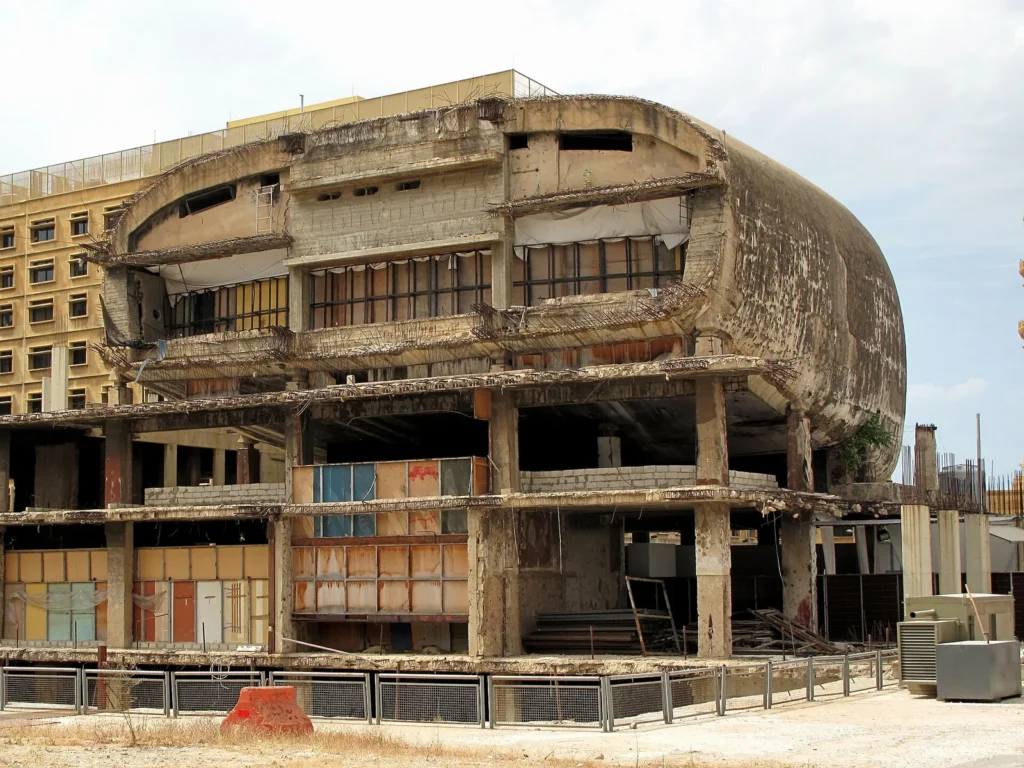

- 1965 Karam designs Beirut City Center, cinema included.
- 1975 The war stops construction. The cinema never opens.
- 1990s The rest of the complex is demolished. The Egg stays.
- 2019 Protesters move in: the "Eggupation".
- Today Still standing. Still waiting for a decision.
The survivor
The Egg spent the war years in a downtown that had become a front line, and the shell still carries the marks. In the 1990s, when downtown was rebuilt, the rest of Karam’s complex was demolished. The Egg stayed: scarred and unfinished, but standing.2
Its future has been argued over ever since. Talk of demolition in the 1990s and 2000s brought students and architects out to defend it. In 2011, Solidere denied it planned to tear it down. In 2013, the owners said they wanted to keep it as part of a new project. Proposals came and went, and the Egg stayed as it was.1
A second life, for a few weeks
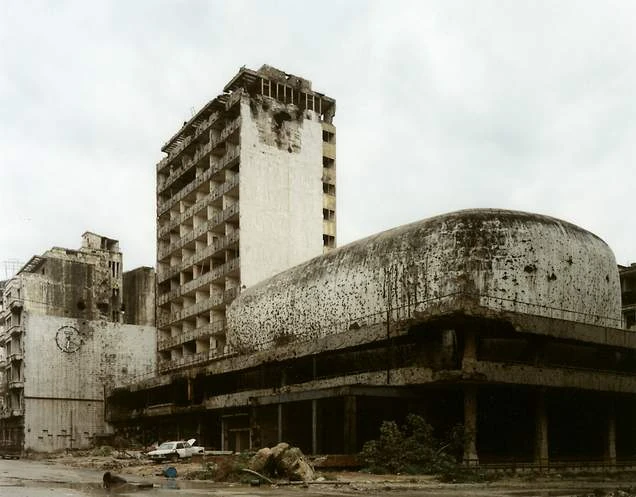
In October 2019, protesters walked in. For weeks the shell hosted lectures, debates and murals; people called it the “Eggupation”. One talk by Charbel Nahhas drew around 200 university students.1
For the first time, the building was full of people. They weren’t watching a film. They were talking about their country. It proved something architects had long suspected.
The Egg works as a public room.
Three ways out, and what happened elsewhere
Cities all over the world have faced the same choice. Here is how three of them answered.
FREEZE
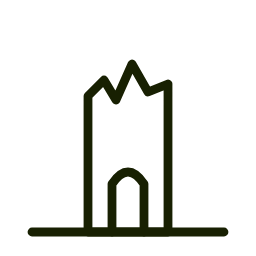
Keep it exactly as it is
Berlin · Kaiser Wilhelm Memorial Church
Bombed in 1943. The architect Egon Eiermann first planned to demolish the broken spire. Berliners protested and called the ruin the heart of their city, so he kept it and built the new church around it, 1959–1963. Locals call it "the hollow tooth".4
REUSE
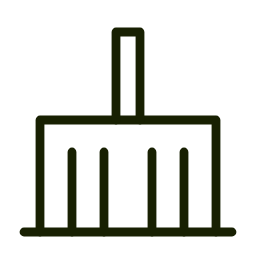
Give it a new life · our vote
London · Bankside Power Station
Completed in 1963, closed in 1981, then empty for years. Herzog & de Meuron kept the brick shell and turned it into Tate Modern, which opened in 2000. It is still the most visited contemporary art museum in the world.5, 6
DEMOLISH
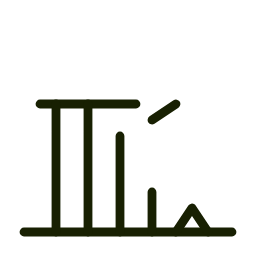
Clear the site
New York · Pennsylvania Station
Demolition began on 28 October 1963. The outrage was so strong that in 1965 the city passed its Landmarks Law. The commission it created later saved Grand Central Terminal from the same fate.7
The buildings a city almost lost often become the ones it values most.
Our vote: reuse
The souk under the shell
Our vote is to reuse the Egg, but not as the cinema it was built to be. Performance spaces have changed beyond recognition since 1965, in technology, scale and audience size, and the shell can no longer keep up. Its real asset is the robust concrete frame around it and the levels below ground. We would turn the whole structure into a market hall.
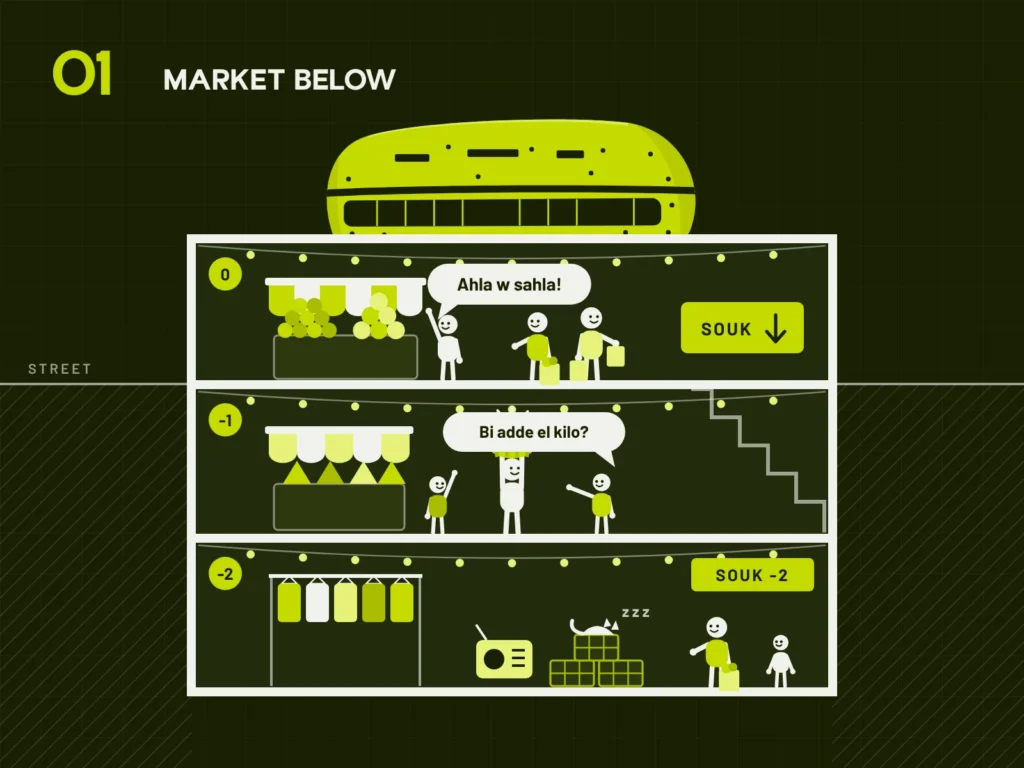
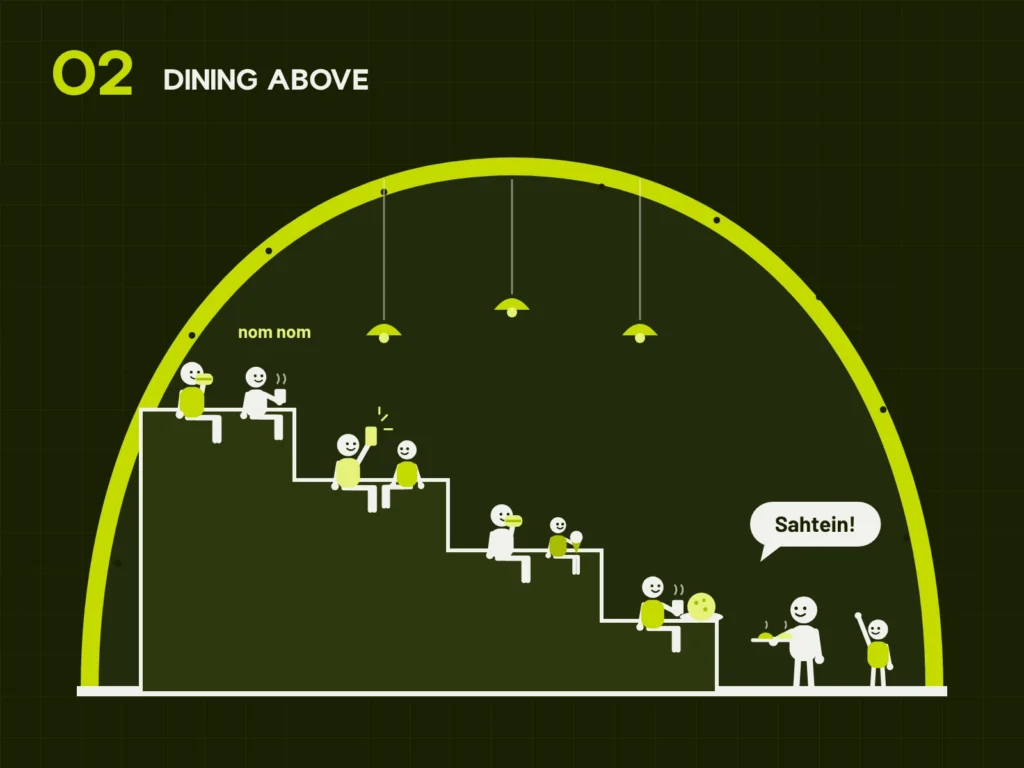
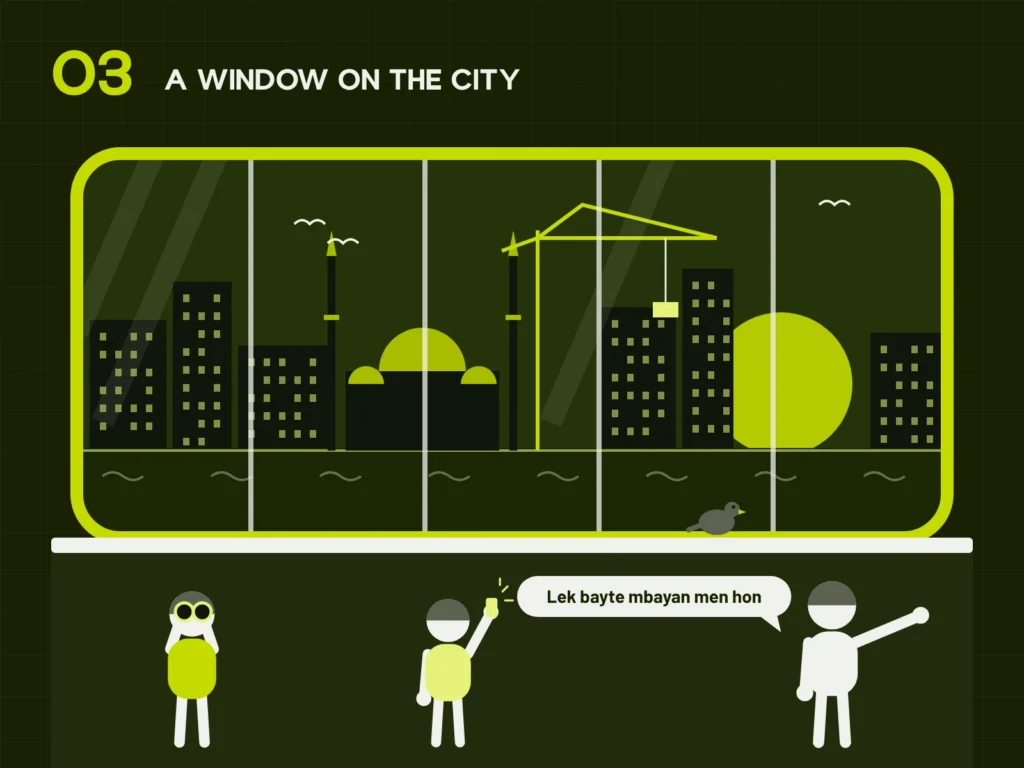
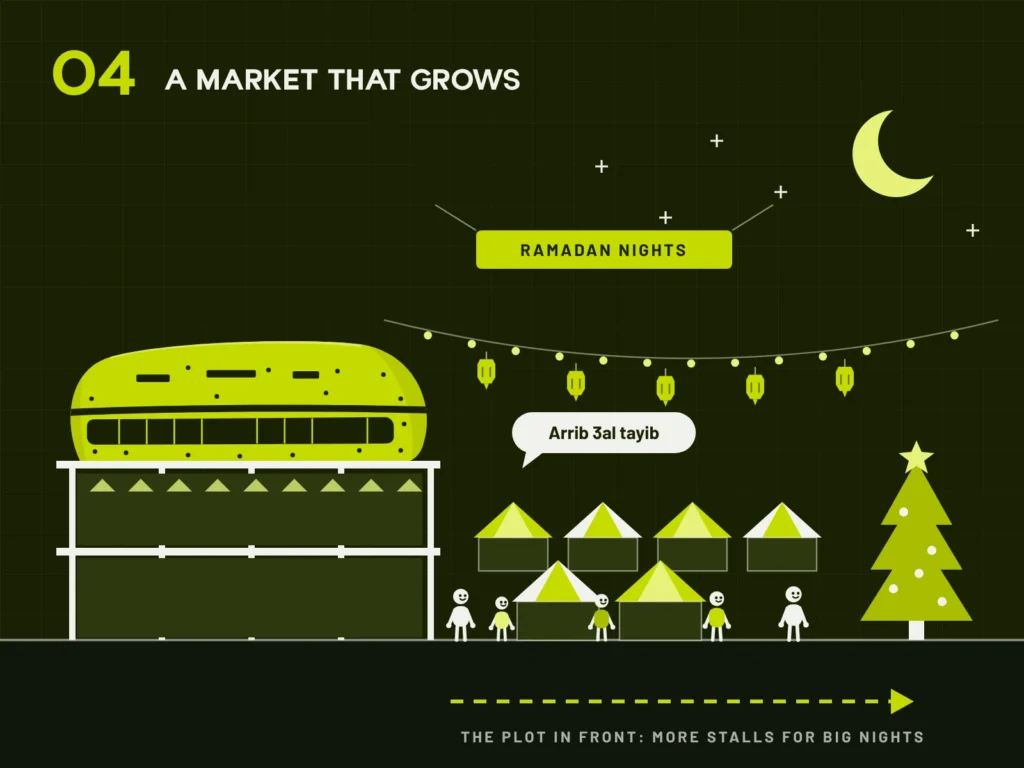
- Market below Stalls fill the podium and every level beneath it: fresh produce, street food and the everyday finds Beirut knows from Souk el Ahad.
- Dining above The shell becomes the souk's dining room. Its old cinema tiers turn into terraced seating where you eat what you bought downstairs.
- A window on the city The great opening in the facade is kept and glazed, turning the shell into a viewpoint over downtown.
- A market that grows For Ramadan, Christmas and the city's big moments, the stalls spill onto the open plot in front.
This is not another luxury retail address. It is a return to what downtown Beirut once was: a crowded, affordable souk where everyone had a reason to be. A market here would give people a daily reason to come back to a centre that sits empty most of the time.
Downtown, back in business.